Uncategorized

Designing Skills for the Future: Progress on the CRAFT-VET Training Curriculum

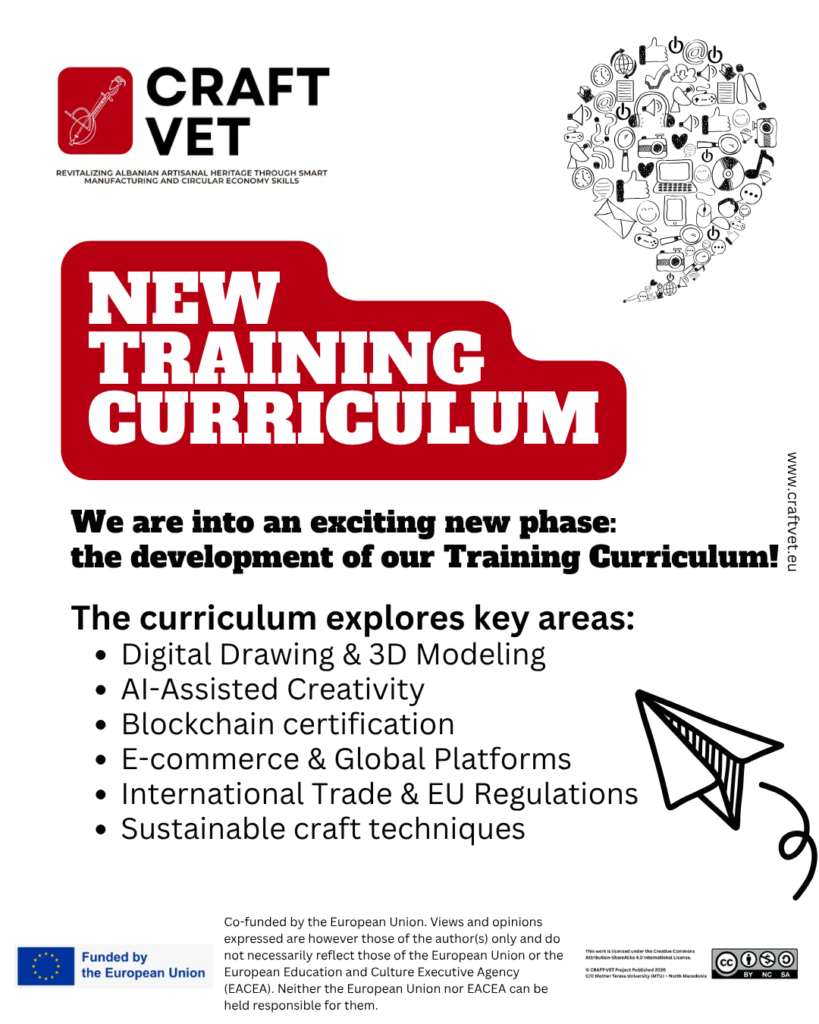
During July and August, the CRAFT-VET partnership worked on the development of the project’s training curriculum, an essential component of its mission to connect traditional craftsmanship with modern technology, sustainable production and new market opportunities. The curriculum is being designed to respond to the needs of artisans, vocational education and training students, trainers and craft businesses. Building on the project’s needs assessment process, the partners focused on creating a practical learning framework that can help participants strengthen their existing competencies while acquiring new skills that are increasingly important in today’s economy. The CRAFT-VET Training Curriculum is intended to be structured around three interconnected learning areas. Digital Skills for Crafts The first area focuses on the use of digital technologies to modernise craft design and production. Participants will be introduced to 3D modelling, AI-assisted design and other digital tools that can support the development of new products, improve production efficiency and reduce unnecessary material use. The curriculum will also explore blockchain-based certification as an innovative method for confirming the authenticity and origin of artisanal products. Such solutions can help protect traditional crafts from imitation while increasing trust among customers and international buyers. Business Development and Market Access Producing a high-quality product is only one part of building a successful craft business. Artisans also need the skills to promote their work, reach customers and compete in markets beyond their immediate communities. For this reason, the curriculum is intended to cover branding, digital marketing, product presentation, customer communication and e-commerce. Participants will learn how online marketplaces such as Etsy and Amazon Handmade operate and how digital channels can be used to reach wider audiences. The training will also introduce relevant aspects of European Union market requirements, including product standards, certification, pricing, sales and export considerations. These competencies will support artisans in presenting their products professionally and exploring opportunities in European and international markets. Sustainability and the Circular Economy The third learning area focuses on environmentally responsible craft production. Participants will explore practical ways to reduce waste, reuse materials and integrate circular economy principles into their production processes. The curriculum will promote the use of upcycled and eco-friendly materials, resource-efficient working methods and the transformation of production leftovers into new products. These approaches can reduce environmental impact while also lowering costs and creating opportunities for innovation. By combining digital skills, business development and sustainability, the CRAFT-VET curriculum aims to offer more than conventional craft training. It will provide participants with an integrated set of competencies that can help them preserve traditional knowledge while adapting to technological, environmental and market changes. The work undertaken during July and August represents an important step towards the preparation of practical and accessible training materials in English and Albanian. Once developed, these resources will support future training activities for VET trainers, students and artisans, as well as practical learning within the planned Smart Craft Labs. Through this curriculum, CRAFT-VET is building a bridge between cultural heritage and the skills required for a competitive, innovative and sustainable craft sector. DisclaimerCo-funded by the European Union. Views and opinions expressed are however those of the author(s) only and do not necessarily reflect those of the European Union or the European Education and Culture Executive Agency (EACEA). Neither the European Union nor EACEA can be held responsible for them.
Project updates

Building the Foundation for CRAFT-VET Communication and Dissemination

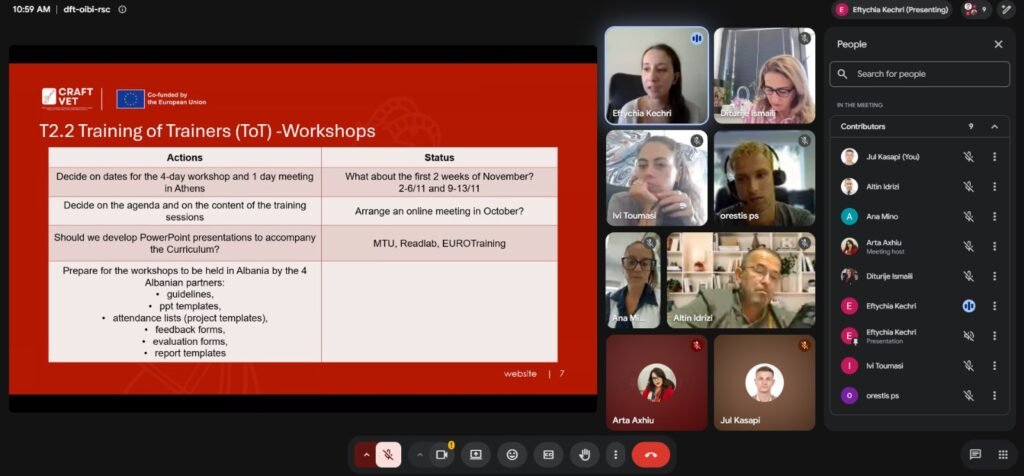
Effective communication is one of the key pillars of every successful Erasmus+ project. During this reporting period, the CRAFT-VET consortium focused on developing and refining the project’s Dissemination Strategy (Deliverable D4.1), establishing a common framework that will guide how project activities, results, and achievements are communicated throughout the project’s lifetime. The Dissemination Strategy represents much more than a communication plan. It defines how the consortium will ensure that the knowledge, tools, methodologies, and innovative practices developed within CRAFT-VET reach the people who can benefit from them the most. As a project dedicated to revitalizing Albanian artisanal heritage through smart manufacturing and circular economy skills, effective dissemination is essential for creating awareness, encouraging participation, and ensuring the long-term sustainability of project outcomes. Over the past month, partners worked collaboratively to review, improve, and consolidate the strategy document. Through regular online meetings and joint consultations, each partner contributed institutional perspectives, communication experience, and recommendations to ensure that the strategy reflects the diversity of the consortium while maintaining a unified project identity. This collaborative approach guarantees that dissemination activities will be implemented consistently across all participating countries and institutions. The strategy identifies the project’s primary target groups, including vocational education and training (VET) students, teachers, artisans, craft businesses, policy makers, local authorities, business support organizations, and the wider public. It also establishes tailored communication approaches for each audience, ensuring that project messages remain relevant, accessible, and impactful. A significant part of the work was dedicated to defining the communication tools and channels that will support project visibility. These include the official CRAFT-VET website, social media platforms, newsletters, promotional materials, workshops, conferences, study visits, policy events, and the Erasmus+ Project Results Platform. Together, these channels will ensure continuous dissemination throughout the project lifecycle rather than limiting communication to major milestones or final results. The consortium also agreed on common visual identity guidelines, key communication messages, and Erasmus+ visibility requirements. Standardized templates, promotional materials, and branding elements will help partners present CRAFT-VET with a consistent and professional image across all communication activities. This unified identity strengthens project recognition while clearly acknowledging the support of the European Union. At the same time, the project website continues to serve as the central communication hub for all stakeholders. Visitors can already explore the project’s objectives, partnership, latest news, and upcoming activities, while future updates will provide access to training materials, project results, and other resources developed during implementation. The completion of the Dissemination Strategy marks an important milestone for CRAFT-VET. With a shared communication framework now in place, the partnership is well positioned to maximize the visibility, impact, and sustainability of the project while promoting the modernization of vocational education, preserving Albania’s rich artisanal heritage, and fostering innovation through digital and circular economy approaches. Follow the project’s progress and discover upcoming activities on the official CRAFT-VET website: https://craftvet.eu. DisclaimerCo-funded by the European Union. Views and opinions expressed are however those of the author(s) only and do not necessarily reflect those of the European Union or the European Education and Culture Executive Agency (EACEA). Neither the European Union nor EACEA can be held responsible for them.
Kick-off meeting

CRAFT-VET Officially Launched with a Successful Kick-Off Meeting in Skopje

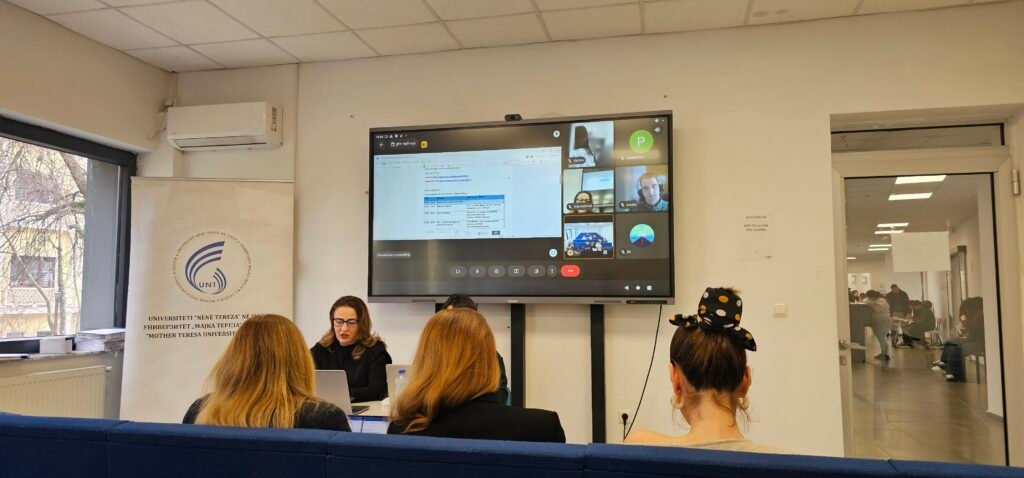
The CRAFT-VET project officially commenced with its Kick-Off Meeting held on 13–14 February 2026 in Skopje, North Macedonia, bringing together all project partners to launch a collaborative initiative aimed at revitalising traditional craftsmanship through innovation, digital technologies, and sustainable vocational education. Hosted by Mother Teresa University in Skopje, the two-day meeting marked the beginning of an exciting journey that will strengthen vocational education and training (VET) by integrating smart manufacturing, entrepreneurship, and circular economy principles into traditional craft education. Throughout the meeting, consortium members presented their organisations, reviewed the overall project objectives, and discussed the implementation strategy for the coming months. Partners aligned on the project timeline, governance structure, communication channels, financial management procedures, quality assurance mechanisms, and the responsibilities assigned under each Work Package. A significant part of the discussions focused on developing innovative learning materials that will enable VET learners, teachers, artisans, and SMEs to acquire modern digital and entrepreneurial skills while preserving Europe’s rich artisanal heritage. The project will introduce training modules covering digital design, 3D technologies, Artificial Intelligence applications, sustainable production methods, digital authentication, and circular business models tailored to the needs of the craft sector. The Kick-Off Meeting also provided an excellent opportunity for partners to strengthen cooperation, exchange ideas, and establish a shared vision for achieving the project’s ambitious objectives. By combining expertise from different countries and sectors, the consortium laid a solid foundation for effective collaboration throughout the project lifetime. CRAFT-VET represents an important step towards modernising vocational education while supporting the competitiveness and sustainability of traditional crafts. Over the coming months, partners will begin conducting research, analysing training needs, and developing innovative educational resources that respond to the evolving demands of the labour market. The consortium looks forward to working closely with educators, artisans, businesses, and stakeholders across Europe to ensure that CRAFT-VET delivers lasting impact for vocational education, cultural heritage, and sustainable economic development. Disclaimer Funded by the European Union. Views and opinions expressed are however those of the author(s) only and do not necessarily reflect those of the European Union or the European Education and Culture Executive Agency (EACEA). Neither the European Union nor EACEA can be held responsible for them.

Co-funded by the European Union. Views and opinions expressed are however those of the author(s) only and do not necessarily reflect those of the European Union or the European Education and Culture Executive Agency (EACEA). Neither the European Union nor EACEA can be held responsible for them.
© CraftVET – 2026 by PLEXUS Solutions

Scroll to Top